
Whitehorse Falls: An Easy Waterfall Stop Along Oregon's Highway 138
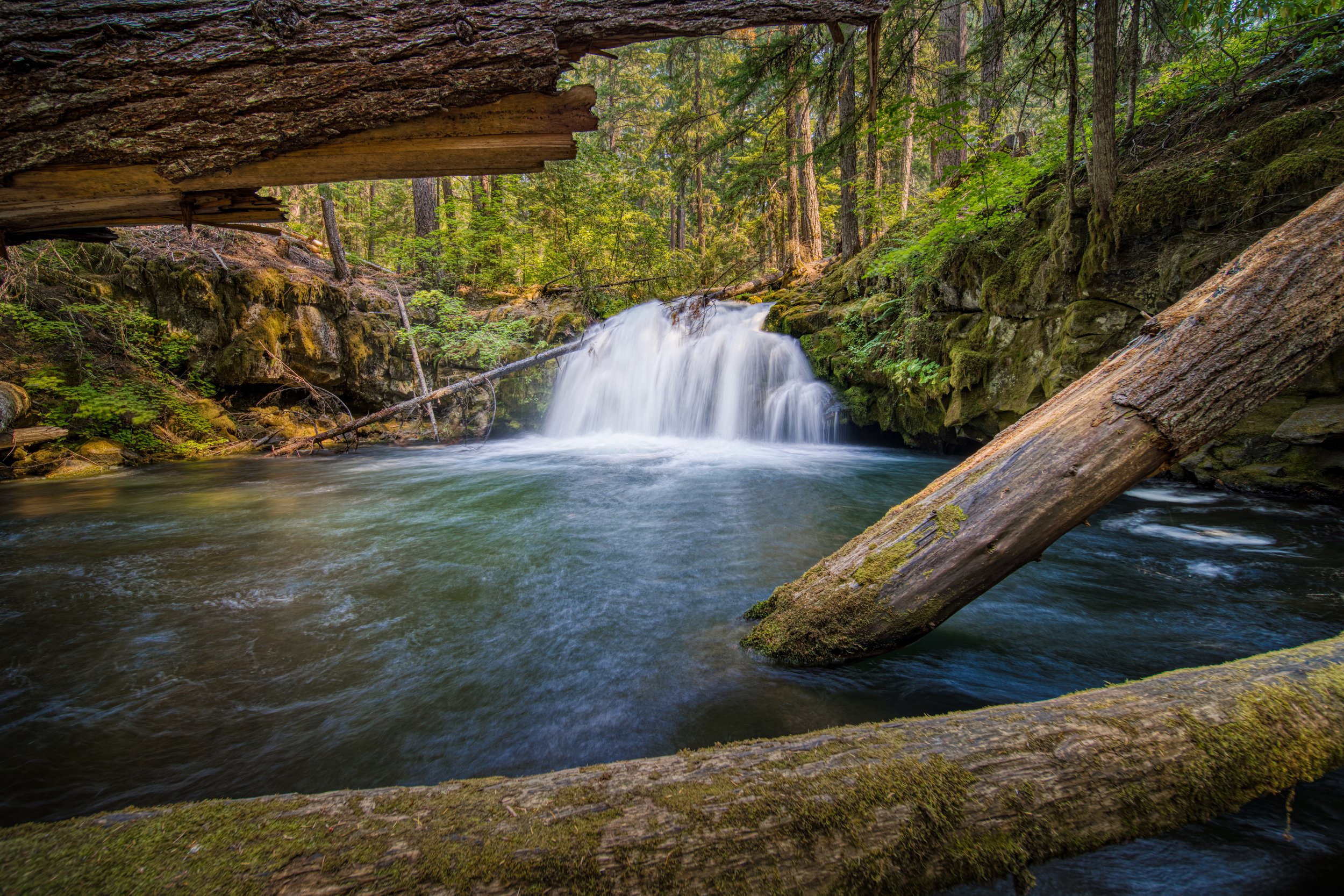
Whitehorse Falls is a small waterfall with a setting that makes me always want to stay a little longer. The Clearwater River drops about 15 feet into a pool surrounded by moss-covered rocks, fallen logs, and tall forest in Oregon's Umpqua National Forest. And you don't need a long hike to see it. The viewing deck is right beside the day-use parking area off Highway 138.
This has become one of my favorite stops along the highway. I really like the crossed logs in front of the waterfall and the quieter stretches of river nearby. It's an easy place to take a break between larger waterfall hikes, but there's plenty to appreciate without rushing on to the next stop.
Click the Play Button above for the Video Guide, or continue down to read the Full Review.
Quick Facts
- Difficulty: Easy
- Hike Length: About 0.1 mile*
- Elevation Gain: Approx. 0 ft.*
- Hike Type: Out & back
- Pass Required: None**
- When to Visit: Spring–fall***
- Pets: Dogs on leash
- Kids: Yes, with supervision
- Facilities: Vault toilet, picnic tables
*Distance and elevation are approximate and describe the short, level visit to the main viewing deck beside the parking area, not additional riverbank exploring.
**I've never needed a pass or paid a fee to visit the falls. Campground fees are separate, so check the posted signs if you're staying overnight.
***Spring through fall is generally the easiest time to visit. Snow and ice can affect winter access, and wildfire closures or maintenance can affect other seasons. Check current conditions before heading out.
How long is the walk to Whitehorse Falls? It's a very short walk from the day-use parking area to the viewing deck. The roughly 0.1-mile outing is better thought of as a roadside waterfall stop than a full hike.
How tall is Whitehorse Falls? It's about 15 feet tall. The attraction here is the close view of the waterfall, pool, and surrounding forest, rather than a particularly tall drop.
Is Whitehorse Falls wheelchair accessible? Based on my visits, I'd say the main viewing deck is wheelchair-friendly. The approach from the parking area is flat, and the deck itself is level, so I feel a wheelchair could be pushed onto it in normal conditions. Getting closer to the water involves uneven ground and isn't wheelchair-friendly. Snow, ice, or debris can affect the approach, so check conditions before visiting.
Can I bring kids and dogs? The short walk makes this a practical stop for families. Keep children close around the river and waterfall, and keep dogs on a leash. A short approach doesn't remove the hazards of moving water or slippery footing.
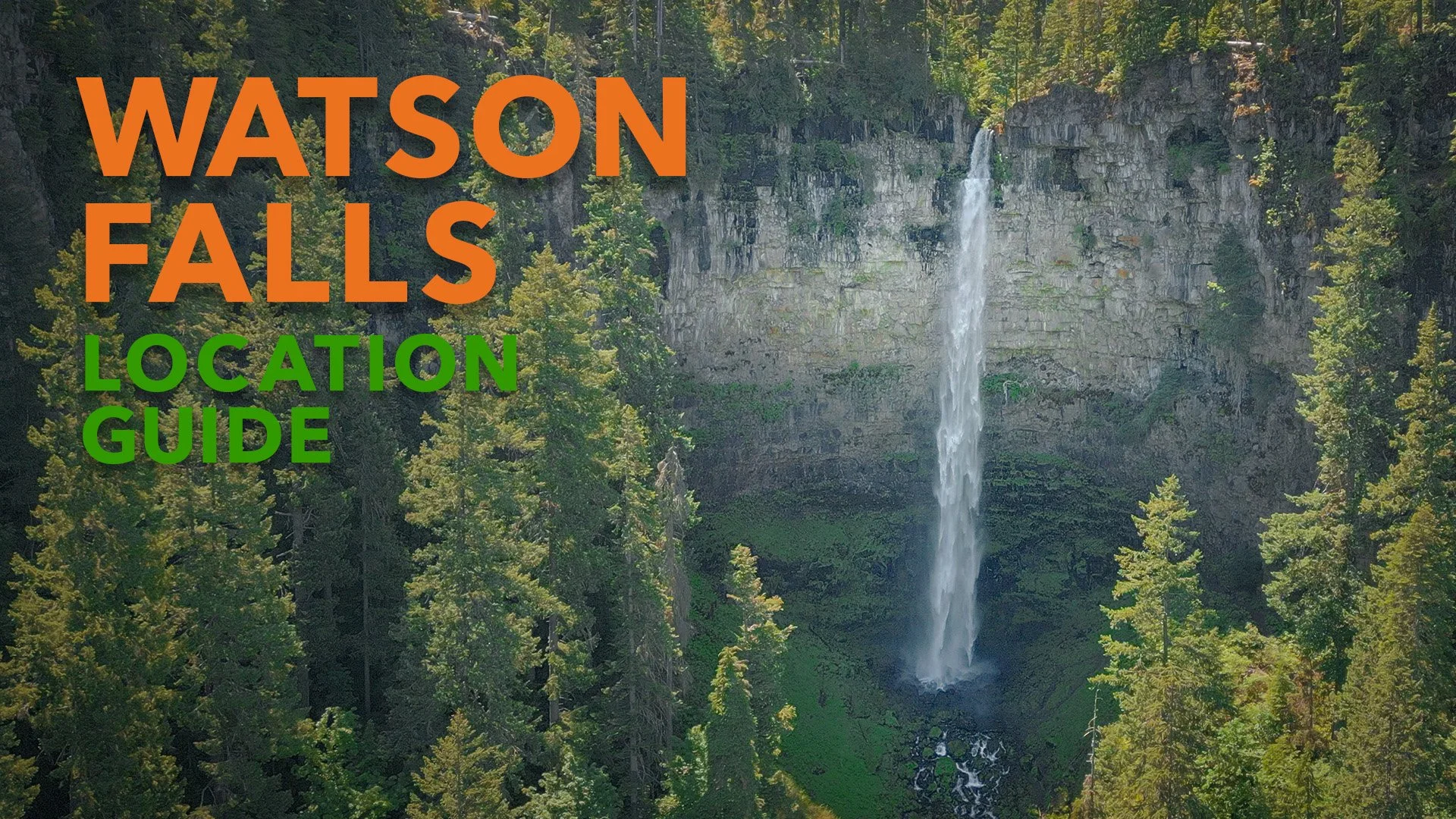
Which other waterfalls are nearby? Clearwater Falls, Watson Falls, and Toketee Falls are other stops to consider along Highway 138. Check each guide before heading out, since their walks and conditions differ.
Getting to Whitehorse Falls
Whitehorse Falls is just off Highway 138 in the Umpqua National Forest. Look for the signed entrance to Whitehorse Falls Campground, then use the day-use parking area near the falls. The viewpoint is beside this parking area, so you don't need to walk through the campground to reach the main view.
I've never had cell service here, so I'd save your directions before heading out. There's a vault toilet, but no drinking water or trash cans, so bring water and plan to pack out your trash.
Parking and the Picnic Area
The parking area is small, with a bathroom and picnic tables nearby. I think it's a nice place to stretch your legs or have a snack while exploring this part of the forest.
You can already hear the waterfall from the parking area, and there's even a partial view of it. That makes this stop feel a little different from the hikes where you spend most of the walk wondering what's around the next corner. Here, the water is close from the moment you get out of the car.
The Short Walk to the Viewing Deck
The main approach is short and leads to a wooden viewing deck facing the falls. There's no sustained climb like the one at Watson Falls. It's a good option when you want a waterfall view without committing to a longer trail.
Even on this short walk, pay attention to the surface underfoot. Wet leaves, rain, or winter ice can change how easy the approach feels. Keep the difference between the developed viewpoint and the rougher ground near the river in mind when deciding how far to go.
Whitehorse Falls from the Viewpoint
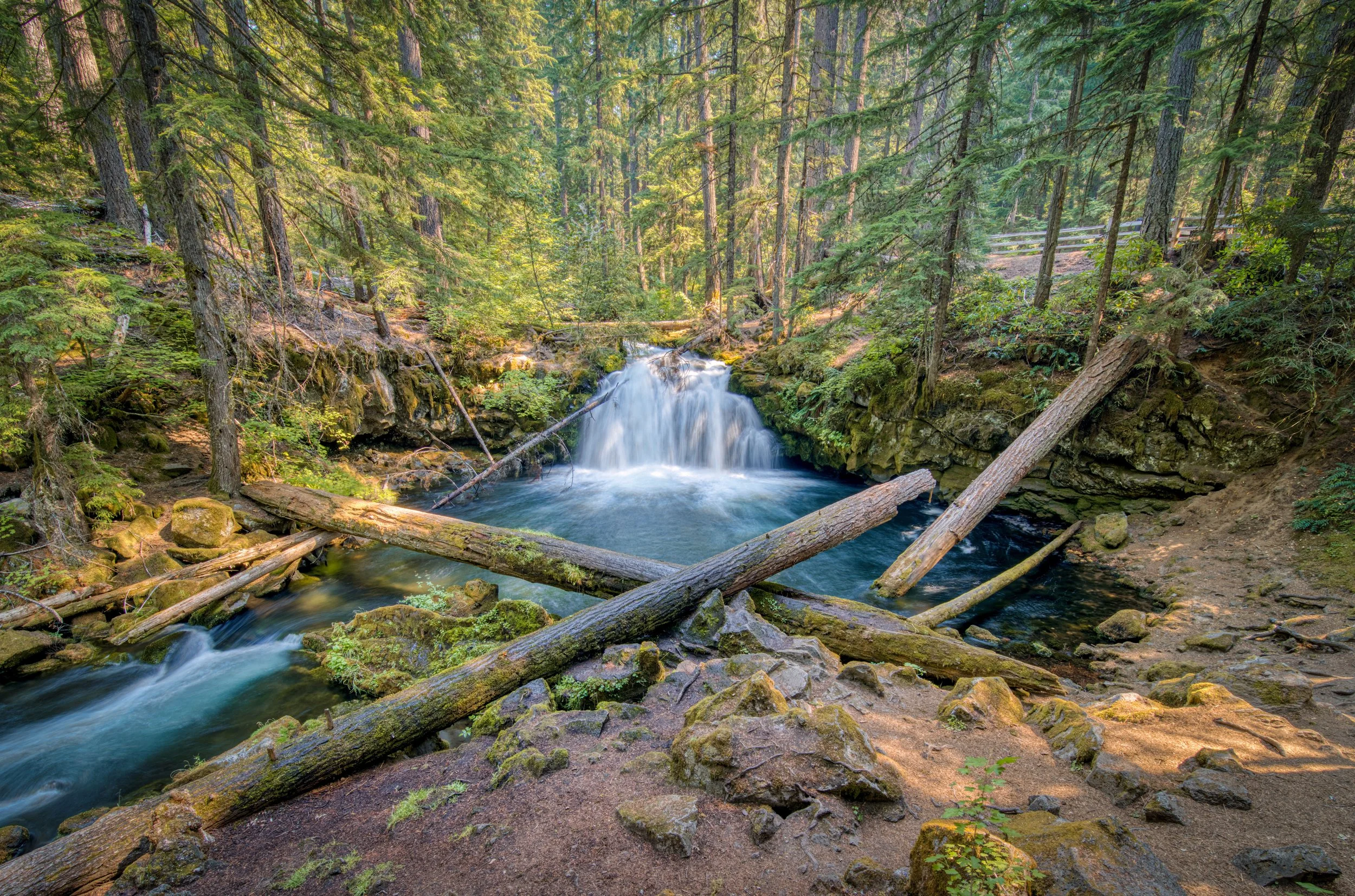
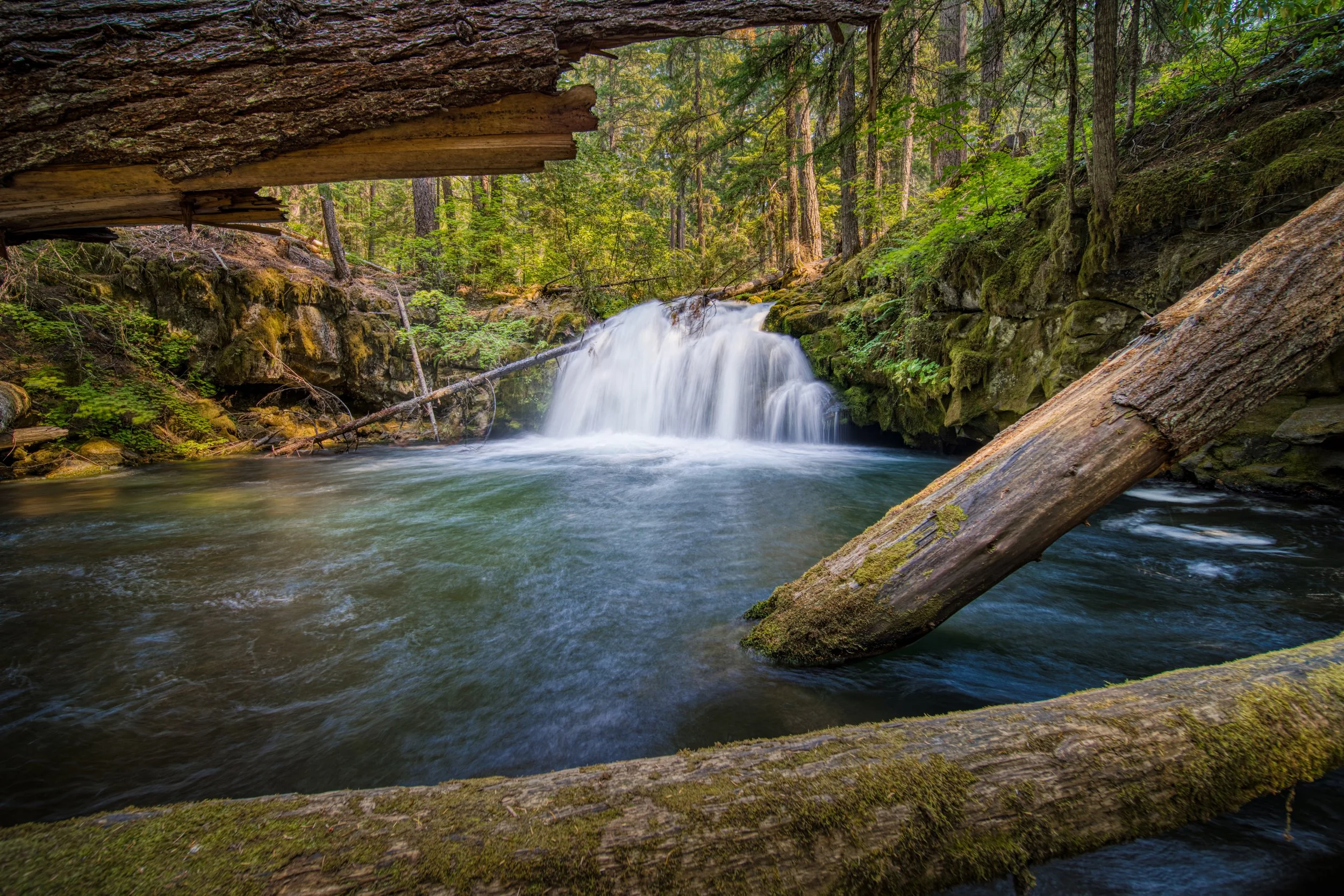
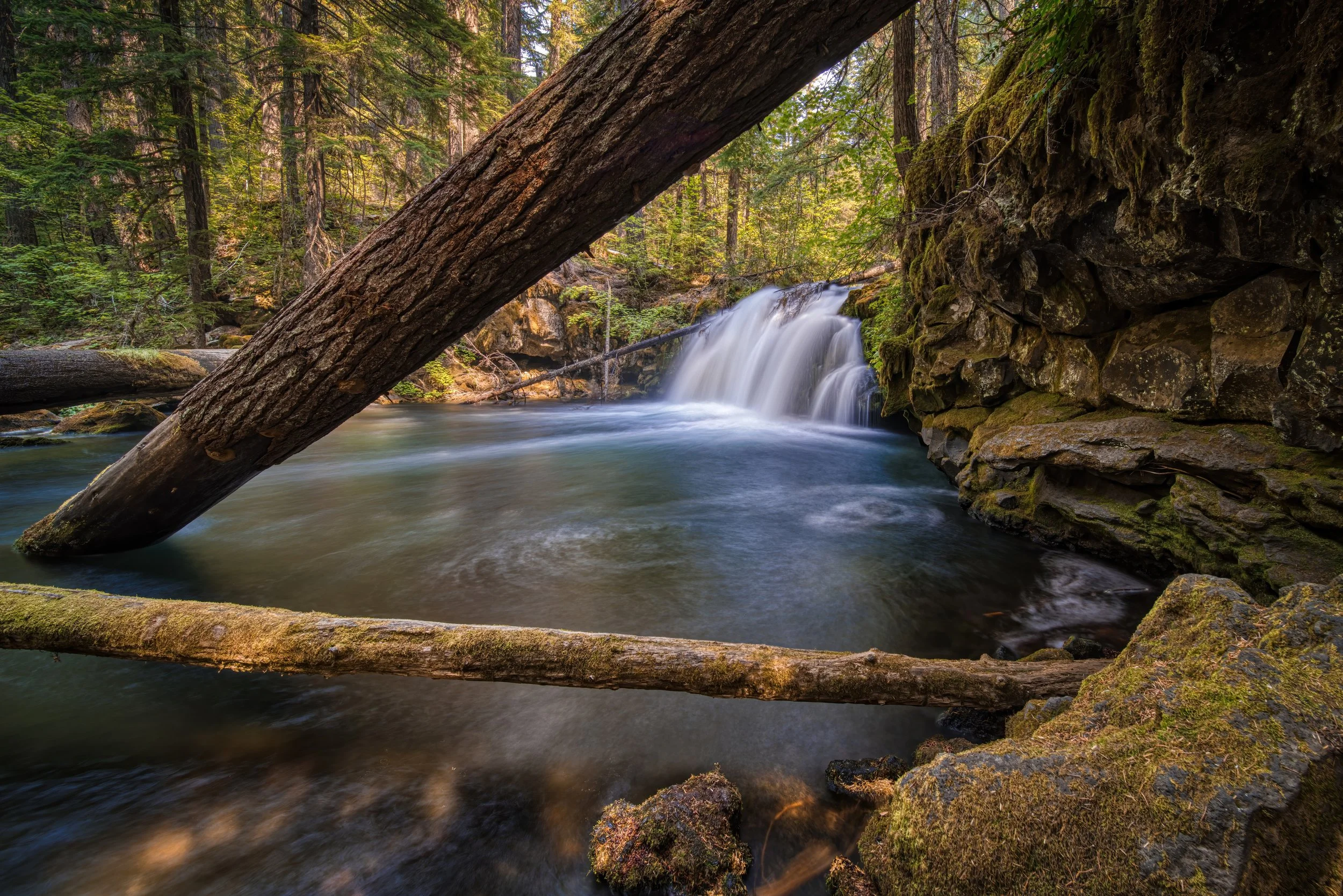
From the deck, Whitehorse Falls drops over a mossy rock ledge into the pool below. The waterfall is small enough that the surrounding details really stand out: the fallen timber, the moss along the water, and the trees rising behind it.
One of my favorite details from my visits is the pair of logs forming an “X” across the scene. They give the waterfall a shape that's easy to recognize and make an interesting frame for photographs. Fallen wood can move over time, so treat the photos as a record of the scene when I visited, not a promise that every detail will stay the same.
There's also a surprising amount of sound for such a short drop. I like taking a little time here to watch the water rather than treating the deck as a quick photo stop.
Photographing the Falls and Exploring the River
The waterfall, crossed logs, and mossy rocks give you several details to work into a photograph. Start with the viewing deck and look at how the river and surrounding forest fit around the falls. You don't need to reach the water's edge to appreciate the setting.
Down by the pool, you get a closer view of the falls, with the fallen logs and mossy rocks giving you a few different ways to frame a photo. There's a surprising amount of mist here too, which feels pretty refreshing on a warm day. From the pool area, you can also explore out and around the bottom of the viewing deck for some beautiful creek views. It's worth looking beyond the waterfall itself while you're down here.
For a little more exploring, head back toward the parking lot. From there, small trails lead toward the river above the falls, where you can follow the Clearwater River upstream toward the campground. There are other little spots along the water that are easy to miss if you only stop at the deck.
Near the campground, there's a small cascade with fallen logs and a peaceful, tree-lined riverbank. I think this is a really nice place to slow down and enjoy the river for a bit. I especially enjoyed the fall color here, with gold and red leaves standing out against the darker moss and forest.
Those areas aren't equivalent to the developed viewpoint. The banks and rocks can be slippery and uneven, and the water above the falls leads directly toward a drop. Don't climb barriers or use fallen logs as walkways. Stay on open, established routes, follow posted signs, and skip any spot that doesn't offer secure footing. Any exploring beyond the main viewpoint is at your own risk.
When to Visit
Spring through fall is the practical starting point for planning a visit, but access depends on conditions. Autumn is especially appealing to me because of the color around the river. The waterfall and surrounding greenery also give you plenty to enjoy when the leaves aren't changing.
Don't assume the short walk means the site is always reachable. Snow and ice can affect winter access, while wildfire conditions can interrupt summer or fall plans. Check current road and recreation-site information close to your trip.
Final Thoughts
Whitehorse Falls has become one of my favorite places to pause along Highway 138. The short walk makes it easy to fit into a day of exploring, and the waterfall, fallen logs, and forest give it a character of its own.
If you're already visiting Watson Falls, Toketee Falls, or Clearwater Falls, I think Whitehorse is worth including. Give yourself a little time to enjoy the view and listen to the river. That's a big part of what I like about stopping here.
Happy exploring 🌿
Can't visit anytime soon? Spend a little time by the water with my Whitehorse Falls Cinematic Nature Escape, with forest views and the sounds of the falls to enjoy from home.
Gallery


Trailhead Location
Nearby Locations


Also See

Whitehorse Falls: Relaxing Nature Escape
Take a calming journey to Whitehorse Falls, a serene 15-foot waterfall nestled in the lush Umpqua National Forest of Oregon. This 15-minute video features the soothing sounds of cascading water and the peaceful ambiance of the surrounding forest, creating the perfect backdrop for relaxation, meditation, or quiet focus.